

When it comes to epic adventures, few things set the mood quite like the music of Final Fantasy. From heart-pounding battle themes to soul-stirring melodies, the series has delivered unforgettable soundtracks that resonate with fans worldwide. But with so many iconic tracks, how do you choose the best of the best?
Overview of Final Fantasy Music
Final Fantasy music plays a crucial role in defining the series’ identity. Composers like Nobuo Uematsu and Masayoshi Soken have crafted memorable scores that resonate deeply with players. Soundtracks evoke various emotions, enhancing gameplay experiences with powerful battle themes and tender melodies.
Diverse styles characterize the music across different titles. Each game offers unique musical landscapes, reflecting its themes and narrative arcs. For instance, “Final Fantasy VII” introduces a darker tone with tracks like “One-Winged Angel,” while “Final Fantasy IX” features a more whimsical and orchestral approach.
Instrumental arrangements often blend traditional orchestral sounds with modern elements. These compositions incorporate both synthesized sounds and live performances, enriching the audio experience. The use of specific instruments, like piano and strings, adds depth to emotional scenes.
Recognizable melodies often become iconic within the gaming community. Tracks such as “Aerith’s Theme” from “Final Fantasy VII” and “To Zanarkand” from “Final Fantasy X” exemplify the lasting impact of these compositions. Recognition often extends beyond gameplay, as arranged and orchestral concerts draw large audiences.
Final Fantasy music garners critical acclaim, contributing to the series’ overall legacy. Various soundtracks have received awards, showcasing the artistry involved in their creation. The enduring popularity of these scores reflects their importance to both players and the broader gaming culture.
Final Fantasy music encompasses a rich and varied tapestry of sound, enhancing narratives and forming emotional connections with players. Each title’s unique compositions continue to be celebrated for their artistry and emotional resonance.
Importance of Music in Final Fantasy Series
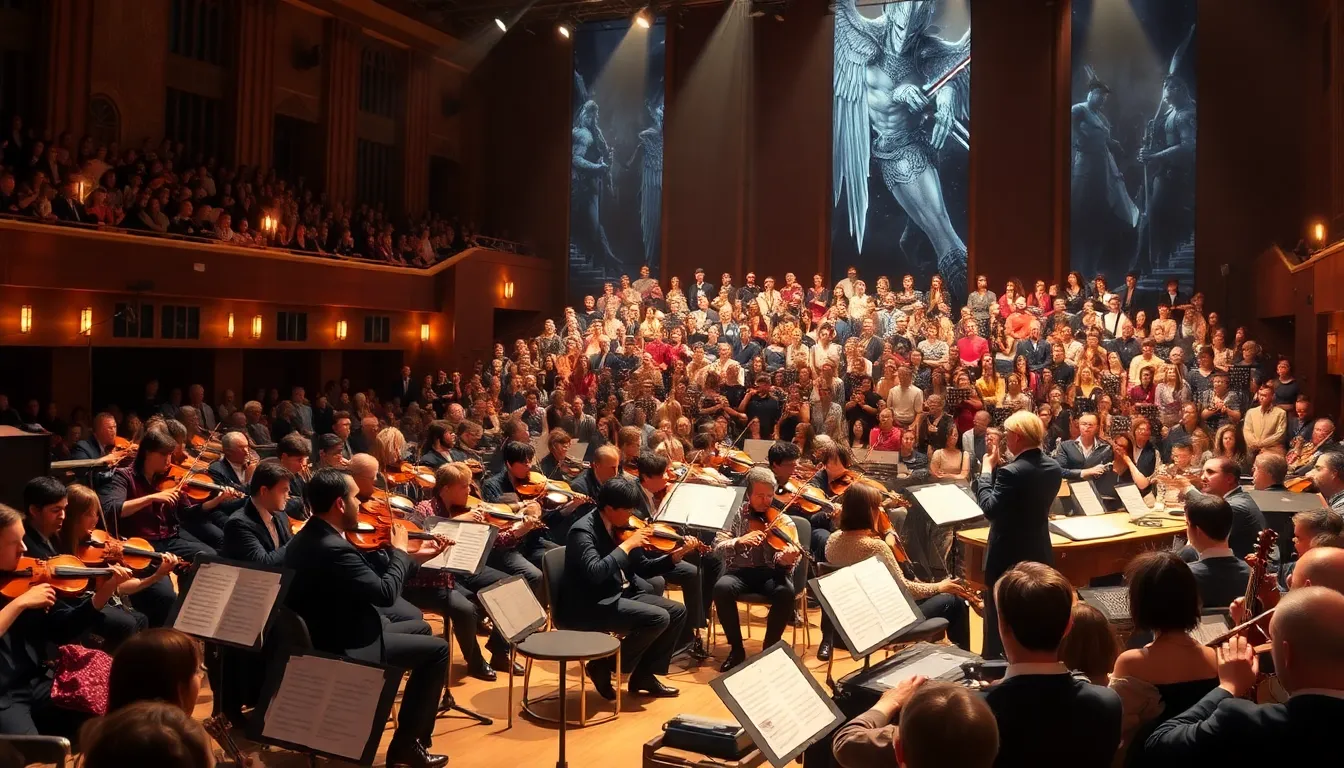
Music plays a central role in the Final Fantasy series, enhancing the player experience and crafting memorable moments. Emotions intertwine with gameplay through its iconic scores.
Emotional Impact
Emotional resonance defines the essence of Final Fantasy music. Intense battle themes drive adrenaline during action sequences, while softer melodies create poignant moments. “Aerith’s Theme” evokes deep sadness, reflecting the narrative’s emotional stakes. Themes like “To Zanarkand” encapsulate nostalgia, drawing players into the game’s world. Composers skillfully blend strings, piano, and synth to amplify feelings, making each score more than just background music. Placing significance on the emotional dimension, soundtracks resonate long after gameplay, reinforcing connections between players and characters.
Cultural Influence
Cultural influence extends beyond the game itself, shaping the broader music landscape. Compositions frequently inspire orchestral concerts, showcasing arrangements that attract diverse audiences. Events like Distant Worlds transform familiar tracks into immersive experiences, bridging the gap between gaming and live performance. The popularity of Final Fantasy music fosters interactions across generations, appealing to both longtime fans and newcomers. Iconic pieces often become staples in the gaming community, reinforcing a sense of shared history and appreciation. Acknowledgments like awards solidify the impact of these scores in the cultural fabric of gaming, ensuring their legacy persists.
Top Final Fantasy Soundtracks
Final Fantasy soundtracks resonate deeply with fans, showcasing a blend of narrative depth and musical innovation. Below are notable entries regarded as some of the series’ best.
Final Fantasy VII
Final Fantasy VII features an iconic soundtrack that captures its emotional breadth. Composed primarily by Nobuo Uematsu, tracks like “Aerith’s Theme” and “One-Winged Angel” stand out for their powerful melodies. “Aerith’s Theme” evokes deep emotion with its gentle piano textures, while “One-Winged Angel” energizes battle scenes. Each composition enhances character arcs and pivotal plot moments. The game’s music significantly influences player connection and remains one of the most recognized video game scores.
Final Fantasy X
Final Fantasy X presents a diverse musical landscape that complements its adventurous narrative. Masayoshi Soken and Nobuo Uematsu collaborated to create memorable themes, such as “To Zanarkand” and “Suteki da Ne.” Introduced during key story moments, “To Zanarkand” draws players into Tidus’s journey with its haunting piano progression. “Suteki da Ne” offers a romantic backdrop, underscoring themes of love and sacrifice. This soundtrack elevates the gaming experience, solidifying its place as a beloved entry in the series.
Final Fantasy XIV
Final Fantasy XIV brings an immersive soundtrack that reflects its evolving world and rich storytelling. The music, composed mainly by Masayoshi Soken, blends orchestral and electronic elements, creating unique atmospheres. Tracks like “Answers” and “Revolutions” showcase the game’s dramatic moments and grandiosity. “Answers” ties directly to the game’s narrative, enhancing emotional stakes. Conversely, “Revolutions” accompanies battles, generating excitement during gameplay. This soundtrack enhances player immersion, contributing to the ongoing success of the game.
Criteria for Ranking Music
Several key factors determine the ranking of music within the Final Fantasy series. Each element plays a significant role in evaluating the tracks’ impact and relevance.
Composition and Arrangement
Strong composition and innovative arrangements set tracks apart. Layering of orchestral instruments, alongside synthesizers, creates a rich soundscape that enhances emotional depth. Tracks often blend various styles, showcasing the composer’s versatility. For instance, Nobuo Uematsu’s work on “One-Winged Angel” features both orchestral and choral elements that build intensity perfectly. Soken’s “Answers” from “Final Fantasy XIV” combines traditional orchestral techniques with modern influences. This fusion adds a contemporary feel while respecting the series’ legacy. Unique melodies and harmonies also contribute to how memorable a piece can be, affecting listeners on multiple levels.
Vocal Performances
Vocal performances enrich the Final Fantasy soundtracks, creating unforgettable moments. Choice of singers significantly impacts emotion conveyed in a piece. For example, Susan Calloway’s voice in “Suteki da Ne” brings a haunting quality that resonates beautifully with the game’s themes. Dynamic vocal arrangements often complement instrumental sections, elevating the entire composition. Vocal delivery can portray characters’ emotions, further connecting the audience to the narrative. When lyrics are incorporated, they enhance storytelling and allow fans to engage on a deeper level. Overall, these performances contribute immensely to the overall ranking of the music.
Final Thoughts on Final Fantasy Music Ranking
Ranking the music of the Final Fantasy series remains a subjective endeavor, though certain tracks resonate strongly across diverse audiences. Iconic pieces like “Aerith’s Theme” evoke deep emotions, often placing them high on various lists. The unique blend of orchestral and modern elements creates a rich auditory landscape, making each soundtrack memorable.
Different games showcase distinct styles that reflect their narratives. For instance, “Final Fantasy VII” emphasizes darker themes, while “Final Fantasy IX” introduces whimsical, uplifting melodies. The evolution of musical composition throughout the series offers insights into the emotional depth associated with gameplay.
Further, the impact of renowned composers such as Nobuo Uematsu and Masayoshi Soken cannot be overstated. Their innovative arrangements contribute significantly to the game’s atmosphere, elevating moments of tension and tranquility alike. Tracks that incorporate vocal performances, such as “Suteki da Ne” from “Final Fantasy X,” enhance narratives and deepen player engagement.
Exploring the cultural resonance of Final Fantasy music reveals its influence beyond the gaming community. Events like Distant Worlds attract a wide array of fans, transforming familiar tracks into immersive concert experiences. The series’ music bridges gaps between generations, uniting long-time players and newcomers in shared appreciation.
Analyzing various soundtracks highlights the criteria for ranking. Composition quality, emotional response, and innovative arrangements take precedence. Encompassing a rich tapestry of sound, Final Fantasy music remains integral to the series’ enduring legacy in gaming culture.
Final Fantasy music stands as a testament to the series’ emotional depth and cultural impact. The captivating soundtracks not only enhance gameplay but also resonate with fans across generations. Each composition tells a story that transcends the games themselves, creating connections among players and inspiring live performances.
As listeners continue to explore the rich auditory landscape crafted by talented composers, it’s clear that the music of Final Fantasy will remain a cornerstone of gaming culture. The unique blend of orchestral and modern elements ensures that these iconic tracks will be celebrated for years to come, solidifying their place in the hearts of fans worldwide.