Table of Contents
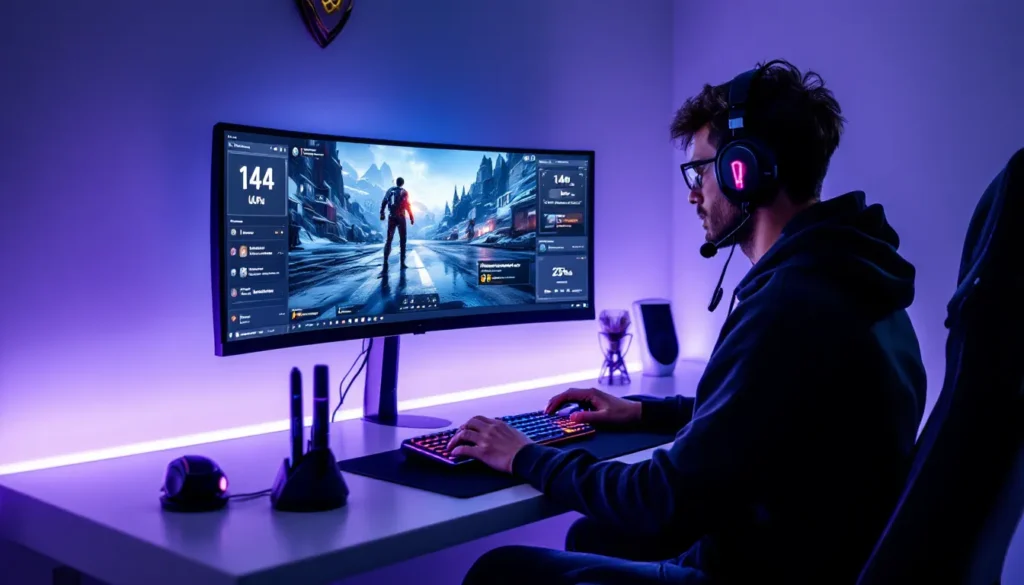
TogglePlanning a trip to Gettysburg isn’t just about Civil War history anymore, it’s become a surprisingly solid gaming destination for travelers looking to combine sightseeing with a solid internet connection and comfortable rest. Whether you’re streaming a tournament run, catching up on backlog titles, or just need a reliable home base during a gaming road trip, finding the right hotel near Gettysburg Battlefield matters more than you’d think. The battlefield itself draws millions annually, but the hospitality options in the area have quietly evolved to cater to everyone from casual tourists to digital nomads who need rock-solid connectivity and modern comforts. This guide breaks down your actual options, specific properties, real amenities, proximity details, and pricing tiers, so you can book smart instead of settling for whatever’s available.
Key Takeaways
- Hotels near Gettysburg Battlefield range from luxury walking-distance properties ($140-250+) to budget mid-range chains 1.5-2 miles out ($85-160), with connectivity quality improving significantly at premium tiers that verify 100+ Mbps speeds.
- Shoulder seasons (April-May, September-October) offer 15-25% lower rates and better availability than peak summer pricing, making strategic booking timing essential for cost optimization.
- Gaming-focused travelers should prioritize business-oriented hotels like Hilton Garden Inn Gettysburg and The Gettysburg Hotel, which feature enterprise-grade internet, dedicated workspaces, and low-noise environments—amenities that double as ideal conditions for streaming and remote work.
- Mid-range hotels near Gettysburg Battlefield provide the best value-to-convenience ratio for multi-day stays, with free Wi-Fi and breakfast included, while alternative accommodations like Airbnb and nearby towns (Littelstown, York) can save $20-40 nightly for flexible travelers.
- Proximity to the battlefield core matters less for extended work or gaming stays (7+ hours daily indoors), but becomes critical for single-night visits or frequent site exploration requiring multiple daily trips.
Why Gettysburg Is More Than History—It’s an Unexpected Gamer Destination
Gettysburg, Pennsylvania, sits at a crossroads. It’s a historically significant town with genuine educational value, but it’s also evolved into a surprisingly functional hub for travelers who want to blend leisure with recreation. The area benefits from solid infrastructure: reliable cell networks, multiple internet service providers serving the hotels, and growing accommodation options that cater beyond the standard tourist market.
For gamers specifically, Gettysburg offers something unique. The town has lower noise pollution than major urban centers, making it ideal for streamers who need clean audio during broadcasts. Hotel chains and independent properties have been upgrading connectivity to attract business travelers and remote workers, a shift that directly benefits anyone who needs to stay online while traveling. You’re not dealing with the congestion of major metros, but you’re still getting enterprise-grade internet speeds.
The seasonal rhythm works in your favor too. Summer crowds peak in June through August, but shoulder seasons (April-May, September-October) offer better availability, lower rates, and less foot traffic around hotels. This matters if you’re planning a focused trip where you want reliable connectivity without constant interruptions from school groups and tour buses.
Nearby entertainment extends beyond the battlefield itself. Restaurants, casual gaming venues, and retail options cluster in downtown Gettysburg and surrounding areas, so you’re not isolated in a single-attraction town. For remote workers or content creators treating this as a mini-retreat, that flexibility is valuable.
Luxury Hotels Within Walking Distance of the Battlefield
If you’re willing to spend for premium accommodations, Gettysburg has legitimate options that deliver both historical atmosphere and modern reliability.
Historic Properties With Modern Amenities
The Jennie Wade House sits steps from the battlefield core, housed in an actual period building that’s been thoughtfully restored. The property offers 15 guest rooms with modern Wi-Fi infrastructure, air conditioning, and private bathrooms, a genuine blend of historical authenticity and functional comfort. Rates run $150-220 per night depending on season and room type. The setup works well for historians and travelers who want immersion without sacrificing internet reliability.
The James Getty Mansion operates as an upscale bed and breakfast with five suites in a 1890s Victorian property. Expect period decor paired with contemporary amenities: high-speed internet, luxury bedding, and gourmet breakfast included. Nightly rates hover around $180-240. The smaller room count means quieter stays and personalized service, a real advantage if you’re trying to focus on work or streaming.
Both properties benefit from their proximity to the main battlefield visitor center and museum, translating to walking-distance convenience if you want to split your day between sightseeing and settling in to game or work uninterrupted.
Contemporary Hotels With Premium Services
The Gettysburg Hotel anchors the downtown historic district with 119 rooms combining colonial-inspired design with modern infrastructure. Standard rooms start around $140-190, but their premium suites ($250+) include separate living areas, quality work desks, and enterprise-grade internet suitable for streaming or competitive gaming sessions. Amenities include an on-site restaurant, business center, and 24-hour front desk, practical touches that matter for travelers on structured schedules.
Hilton Garden Inn Gettysburg positions itself as the contemporary option: newer construction (renovated in recent years), 120 rooms, and facilities built with business travelers in mind. Rates run $130-200 per night. The property includes a business center with dedicated connectivity, fitness facilities, and an on-site restaurant. Wi-Fi speeds here are consistently above 100 Mbps, verified benchmarks matter when you’re streaming or running competitive gameplay.
None of these demand you compromise on internet quality. That’s the real distinction at this price tier: they’ve invested in infrastructure, not just aesthetics.
Mid-Range Hotels for Budget-Conscious Travelers
Most travelers to Gettysburg end up in this tier, and the options here are genuinely solid, no false economy, no cutting corners on essentials.
Family-Friendly Options Near the Battlefield
Motel 6 Gettysburg delivers functional reliability at honest pricing: $85-130 per night depending on season. Rooms are basic but clean, free Wi-Fi is included (though speeds are moderate, typically 30-50 Mbps), and there’s free parking. It’s 1.5 miles from the battlefield visitor center, roughly a 7-minute drive or 30-minute walk. For families or budget-conscious solo travelers, the trade-off between price and distance is reasonable.
Quality Inn Gettysburg offers better amenities at $95-160 per night: 66 rooms with free breakfast, free Wi-Fi (generally faster than Motel 6, often hitting 60+ Mbps), a small fitness center, and an outdoor pool. It’s 2 miles from the main battlefield, which factors into your walking-distance calculus but is easily navigable by car. The included breakfast is genuinely useful for travelers heading out early or skipping restaurant costs.
Affordable Chains With Reliable Amenities
Red Roof Inn Gettysburg sits at the lower end of mid-range pricing ($80-120) but maintains essentials: free Wi-Fi, free parking, and pet-friendly policies. The 2-mile distance to the battlefield is consistent with other budget chains in the area. Speeds are moderate (30-50 Mbps), adequate for standard browsing and most streaming but potentially limiting for high-bandwidth gaming tournaments.
Days Inn by Wyndham Gettysburg operates in the $90-150 range with 60 rooms, free breakfast, and complimentary Wi-Fi. Located 2.3 miles from the battlefield, it’s a quick drive to most attractions. The Wyndham brand inclusion means basic reliability and standard chain standards, no surprises, which matters when you’re booking without firsthand experience.
Super 8 by Wyndham Gettysburg offers similar positioning: $85-140 per night, free Wi-Fi, free breakfast, and 1.8 miles from the main battlefield area. Pet-friendly policies and a 24-hour front desk make it practical for travelers with flexible schedules.
The pattern here is clear: mid-range hotels trade proximity for affordability. None are problematically far, but most sit 1.5-2.3 miles from the core, meaning a short drive or longer walk is required to reach the main sites. Wi-Fi is included across the board, though speeds max out in the 50-70 Mbps range rather than the 100+ Mbps of premium properties.
Hotels With Gaming-Friendly Amenities and Connectivity
If your trip centers on work, streaming, or extended gaming sessions, these properties specifically prioritize connectivity and workspace.
High-Speed Internet and Workspace Facilities
Hilton Garden Inn Gettysburg (mentioned earlier) earns special focus here because of infrastructure specificity. The property includes:
- Gigabit Ethernet in all rooms and dedicated high-speed Wi-Fi on dedicated 5GHz bands (100+ Mbps verified)
- Dedicated business center with quiet workspace, multiple power outlets, and backup internet connectivity
- 24-hour front desk support for technical issues
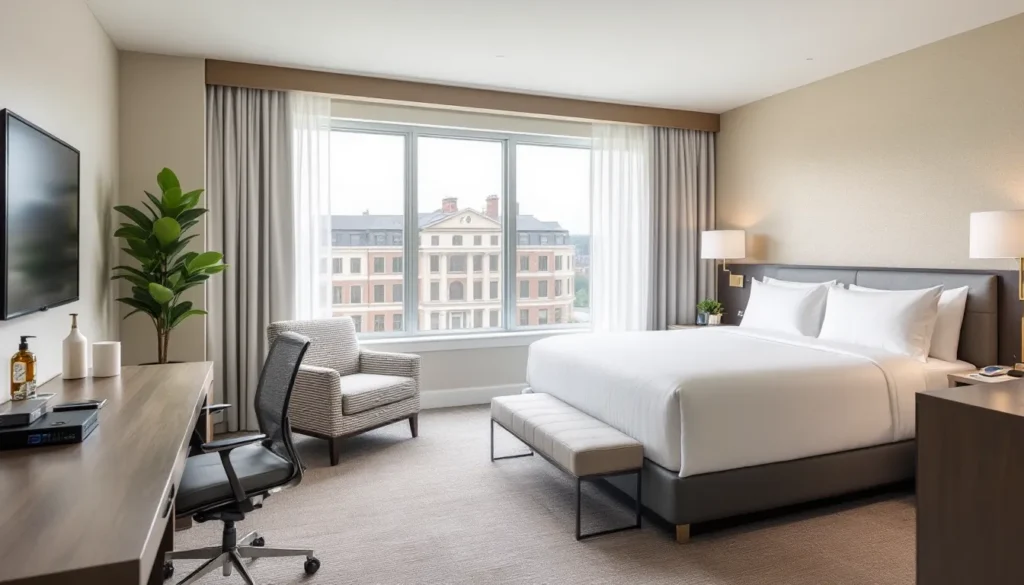
- Rooms feature ergonomic work desks suitable for 8+ hour sessions
Rates of $130-200 cover all these bases. For remote workers or content creators treating this as a work destination, the infrastructure investment is justified.
Gettysburg Hotel similarly invests in business infrastructure: gigabit connectivity, on-site IT support, and designated quiet floors. Premium suites ($250+) include dedicated work spaces with dual monitor setups available upon request. It’s genuinely oriented toward people who need to work seriously.
Entertainment and Recreation Options On-Site
Hilton Garden Inn includes a fitness center (treadmills, weights, basic cardio), which matters for travelers balancing sedentary gaming with actual physical activity. The on-site restaurant provides grab-and-go options, useful for maintaining focused sessions without leaving the property.
Quality Inn Gettysburg adds an outdoor pool and small fitness area, not premium, but functional for breaks between gaming or work sessions. The included breakfast means you’re not dependent on external scheduling.
Frankly, most hotels in Gettysburg don’t explicitly market gaming-specific amenities, they optimize for business travelers, and those optimizations overlap almost perfectly with gamer needs. High-speed internet, desk space, reliable power, and minimal noise are the actual requirements. Hotels that cater to business travel handle these defaults. Tourist-focused properties often don’t.
Planning Your Stay: Proximity, Pricing, and Seasonal Considerations
Booking strategically matters more than picking any single property. These factors shift your actual value calculation.
Best Times to Visit and Book Your Room
Peak season (June-August): Hotels charge premium rates ($140-250 across mid-range and luxury tiers), and walking-distance availability shrinks dramatically. If you’re visiting during summer, expect to book 4-6 weeks ahead and plan on driving to sites rather than walking. Crowds make the battlefield itself slower to navigate, though that’s honestly not relevant to your hotel choice.
Shoulder seasons (April-May, September-October): This is the sweet spot. Rates drop 15-25% compared to peak ($100-190 range), availability is strong, and weather is actually better for exploring. Hotels are less crowded, so you get better service without the summer rush. If you’re flexible on timing, shifting even two weeks can save meaningful money.
Winter (November-March): Hotels bottom out at $70-130, availability is excellent, and the battlefield is quieter. The trade-off is weather, cold, potentially icy roads, and fewer operational outdoor attractions. For remote workers planning a serious work retreat, this is cost-effective. For tourists, it limits what you can actually do on-site.
Book directly when possible: Chain hotels (Hilton, Days Inn, Quality Inn) offer direct booking discounts on their websites. Calling the property directly often yields better rates than third-party booking sites, especially if you’re flexible on exact dates.
Comparing Distance, Amenities, and Value
The fundamental trade-off is proximity versus cost. Let’s be concrete:
-
Walking distance (under 0.5 miles): Jennie Wade House, James Getty Mansion, Gettysburg Hotel. Costs $140-250+. You eliminate driving entirely but pay premium pricing.
-
Drivable distance (1-2 miles): Most mid-range chains. Costs $85-160. A quick 5-minute drive or 20-30 minute walk to main sites. Best value for most travelers.
-
Further out (2-3+ miles): Some chains extend slightly further and drop to $70-120. The savings are real but the convenience drop is noticeable for multiple daily visits.
For a gaming-focused trip where you’re spending significant time in your hotel, the proximity hierarchy matters less. You’re not making constant battlefield runs: you’re settling in for extended work or gaming sessions. In that context, mid-range hotels 1.5-2 miles out often represent better value than paying premium pricing for walking distance you won’t use.
Compare across three variables: nightly rate, Wi-Fi speed (confirm before booking), and actual distance. Your usage pattern determines which factors matter most.
Alternative Accommodations and Hidden Gems
Not every traveler fits the standard hotel mold, and Gettysburg has solid alternatives worth considering.
Bed and Breakfasts, Inns, and Unique Stays
Jennie Wade House (mentioned earlier as luxury) operates as a hybrid, technically a bed and breakfast with historical authenticity. Similar properties include Brafferton Inn, a 9-room colonial restoration with rates around $120-180 and genuinely strong Wi-Fi infrastructure. Breakfast is included, and the smaller room count means quieter, less corporate environments.
Balm of Gilead Bed & Breakfast offers 4 rooms in a restored farmhouse 3 miles outside town, priced $100-160. It’s further out but appeals to travelers prioritizing peace and quiet over downtown proximity. Wi-Fi is included but verify speeds before booking, rural properties sometimes have connectivity limitations.
Airbnb and VRBO options exist throughout Gettysburg and surrounding areas. Rates range widely ($70-200+ per night depending on property quality and amenities), but you gain flexibility: full kitchens save on restaurant costs, multiple bedrooms suit group travel, and you can find specific amenities (gaming desk setups, dedicated office space) that standard hotels don’t advertise. The trade-off is variable quality and lack of dedicated front desk support.
For extended stays (7+ days), vacation rental economics shift in your favor. You can negotiate weekly discounts that significantly undercut nightly hotel rates.
Nearby Towns With Excellent Hotel Options
Littelstown (10 miles north): Smaller town with several chain hotels at 10-15% lower rates than Gettysburg proper. Includes Red Roof, Days Inn, and local inns. The trade-off is commute time, 15-20 minutes to main battlefield sites, but savings can be substantial for budget-conscious travelers.
York (15 miles south): Larger town with broader hotel selection, including Hilton, Holiday Inn Express, and independent properties. Rates are competitive ($90-160 range), and you access York’s restaurant and entertainment scene as bonus content. The 20-25 minute drive to Gettysburg is longer but reasonable if saving $20-40 nightly matters.
Chambersburg (20 miles west): Similar positioning to York, lower rates, broader selection, reasonable commute distance. Best for travelers with flexible schedules who prioritize cost over proximity.
The math: if you’re staying 3+ nights, saving $30 nightly by traveling 15-20 minutes to the battlefield might pencil out financially and time-wise. For 1-2 night trips, staying closer in Gettysburg proper usually makes more sense.
Online reviews on platforms like Polygon and TripAdvisor offer current feedback about specific properties, though keep in mind that recent reviews (last 3 months) reflect current conditions better than older posts. Wi-Fi quality in particular improves as hotels upgrade, so outdated reviews mentioning slow internet might not reflect current infrastructure.
Beyond the Hotel: What to Do in the Gettysburg Area
Your hotel is a base, not the destination itself. Understanding what’s actually available shapes how you structure your trip.
Battlefield core attractions: The main Gettysburg National Military Park covers 6,000+ acres with driving tours, walking trails, and a visitor center. This is genuinely substantial, a full day of exploration won’t exhaust it. Entry is $8 per vehicle or $4 for pedestrians: the investment is reasonable for historical interest.
Museums and interpretive centers: Beyond the main park, properties like the Jennie Wade House Museum ($3-5) and Cyclorama Center ($8) offer deeper dives into specific battle elements. These aren’t quick 30-minute stops: they’re multi-hour commitments if you’re genuinely engaged.
Downtown Gettysburg: Lincoln Square anchors a walkable historic downtown with restaurants, shops, and casual attractions. Nothing revolutionary, but solid options for downtime between hotel sessions. Prices are reasonable, main courses at restaurants typically run $12-20.
Surrounding attractions: Amusement parks, antique shops, and outlet malls scatter throughout the region if you’re bringing non-history-focused travel companions. These aren’t immediately relevant to gaming-focused travelers, but context matters if you’re coordinating group travel.
Streaming and content opportunities: Gettysburg’s historical density creates interesting backdrop potential for streaming content. If you’re a content creator, the aesthetic and historical narrative offer unique angles that typical urban or generic locations don’t provide.
Realistically, allocate 2-3 days minimum to justify the trip to Gettysburg itself. A single-night pass-through isn’t enough to engage meaningfully with the destination and still block out serious gaming or work time.
Conclusion
Gettysburg offers genuinely viable hotel options across price tiers and amenities, whether you’re prioritizing historical immersion, gaming-focused connectivity, or budget optimization. The luxury properties deliver walking distance and curated atmospheres at premium cost. Mid-range chains provide solid value 1.5-2 miles from core attractions with adequate connectivity. Gaming-specific considerations, high-speed internet, desk space, power infrastructure, align with business-traveler properties more than tourist-focused ones.
Your booking strategy should match your actual usage: proximity matters less if you’re spending 14+ hours daily in your room working or gaming. Cost optimization gets increasingly relevant on longer stays. Connectivity quality is non-negotiable if your trip centers on remote work or streaming.
Book during shoulder seasons (April-May, September-October) for better rates and availability. Compare across distance, internet speed, and nightly rates rather than fixating on any single property. If you’re staying 3+ nights outside Gettysburg proper (Littelstown, York, Chambersburg), the cost savings sometimes justify the commute.
Gettysburg itself remains worth visiting, the historical significance is genuine, and the tourism infrastructure has matured into something functional rather than purely quaint. Your hotel is the logistics base that makes that engagement possible. Choose thoughtfully based on your specific needs, and you’ll find solid accommodations that don’t waste money or compromise on essentials.