
In the world of Age of Empires IV, the post-imperial transition can feel like trying to find your way out of a maze blindfolded. One moment you’re basking in the glory of your empire, and the next, you’re scrambling to adapt to a rapidly changing battlefield. It’s like going from a royal feast to a game of musical chairs—except the chairs are siege weapons and the music is your enemy’s war drums.
Overview of AOE4 Post Imperial Transition
Players encounter significant challenges during the post-imperial transition in Age of Empires IV. This phase demands immediate adaptation to an evolving battlefield. Resource management intensifies as unstable economies require swift responses. Team dynamics play a crucial role, and collaboration can make the difference between victory and defeat.
Empires may have flourished before this stage, but the landscape becomes unpredictable. Strategic planning must incorporate a more aggressive approach. Enemy factions grow bolder, and ambush tactics can disrupt routines. Awareness of opponent movements evolves from an advantage to a necessity.
Unit composition requires reevaluation. Armies that excelled in the imperial stage might falter now. Diversifying troops helps counteract common strategies. Knowledge of the strengths and weaknesses of various civilizations aids in forming effective armies.
Map control remains essential following imperial success. Securing key resources can shift the balance of power. Contesting critical territories becomes a focus as players vie for dominance. Adapting to the map and using terrain to one’s advantage fosters a tactical edge.
Technological advancements provide opportunities but come at a cost. Managing upgrades while fending off enemy incursions tests a player’s abilities. Prioritizing crucial technologies that align with specific strategies yields better outcomes.
Understanding psychological pressure also influences player performance. Some may panickedly abandon their strategies, creating openings for the opponent. Remaining composed and executing a solid plan helps maintain an advantage in chaotic situations.
Key Features of the Transition
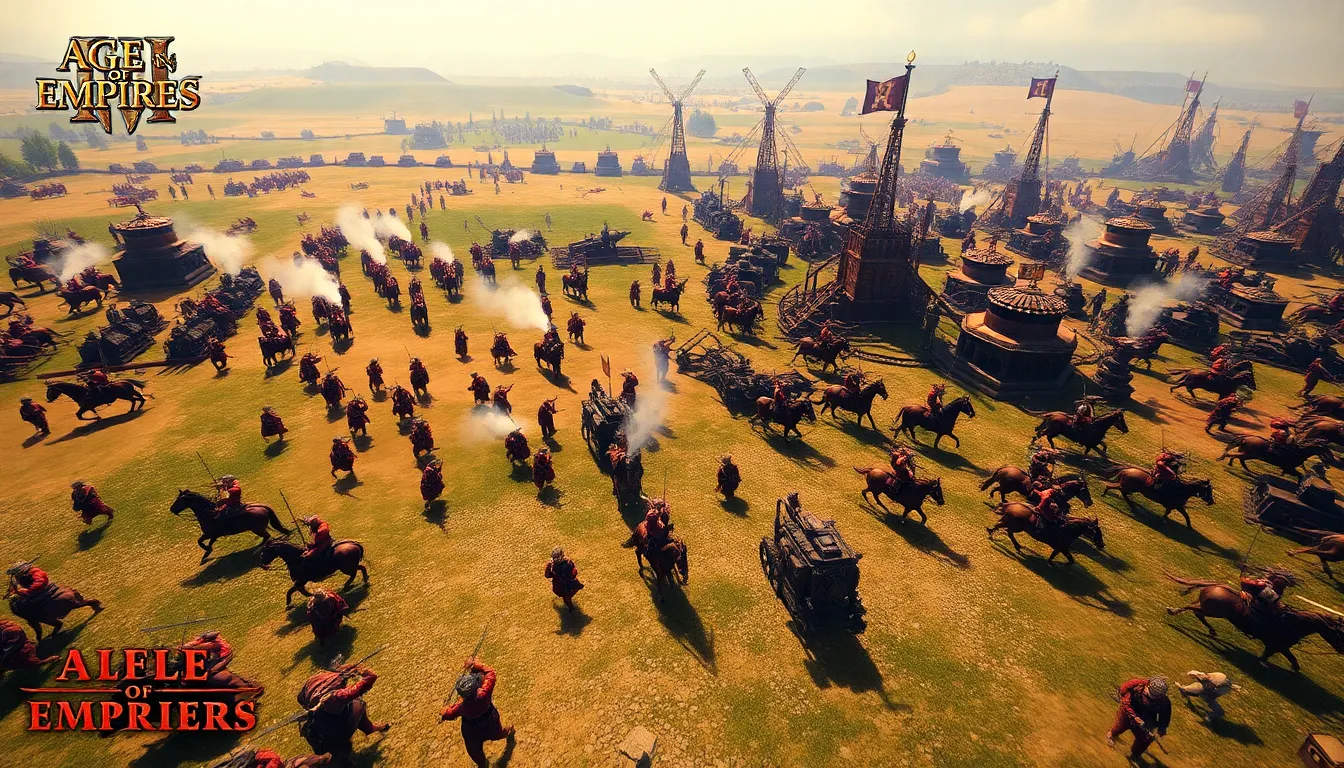
Players experience significant shifts during the post-imperial transition in Age of Empires IV. Economic management and military strategies directly impact success in this new phase.
Economic Changes
Resource allocation becomes critical as economies face instability. Managing food, wood, gold, and stone with precision is essential for sustaining armies. Players must adapt their gathering tactics, ensuring optimal use of available resources. The scarcity of certain materials prompts a need for innovation, driving players to explore new sources of income. Trading with allies or capturing enemy markets can provide necessary boosts. Adjusting to fluctuating market conditions can also offer substantial advantages. Emphasizing the importance of economic flexibility ensures players can respond swiftly to dynamic challenges.
Military Adjustments
Unit composition shifts dramatically in this phase. Players often find that previous army formations may not hold up against surprise tactics. Analyzing enemy strengths and weaknesses becomes vital for strategic planning. Diversifying troop types provides a more balanced approach to combat. Incorporating siege units alongside infantry and cavalry can be crucial in overpowering adversaries. Adapting tactics to include ambush strategies helps maintain control over critical territories. Utilizing mobility and positioning can outmaneuver slower enemy units, creating opportunities for decisive victories. Understanding these military adjustments significantly enhances the likelihood of overall success.
Strategies For Successful Transition
Adjusting to the post-imperial phase in Age of Empires IV requires players to refine their approaches. Emphasizing knowledge of evolving technologies and effective resource management creates a solid foundation for success.
Adapting to New Techs
Players must remain alert to technological advancements. Innovations such as advanced military units and defensive upgrades enhance strategies. Understanding upgrades offers a significant advantage against opponents. Players should frequently reassess the tech tree to identify crucial developments that suit their evolving gameplay. Incorporating newly unlocked units allows for dynamic combat strategies. Additionally, investing in research priorities that align with current resources maximizes options. Staying informed about opponents’ technological levels aids in planning counter-strategies effectively.
Resource Management Techniques
Effective resource management techniques are indispensable in the post-imperial transition. Balancing food, wood, gold, and stone ensures armies remain operational. Players should monitor gathering rates and adjust resource allocation as needed. Prioritizing certain resources over others, based on current tactics, can yield better outcomes. Expanding trade networks facilitates increased income, providing flexibility in troop production. Investing in economic upgrades builds a stable foundation amidst chaotic warfare. Observing market fluctuations also proves crucial, allowing for advantageous trading opportunities. Efficient management directly influences victory chances, ensuring sustainable progression through competitive scenarios.
Impact on Gameplay
Players experience significant changes during the post-imperial transition. This phase marks a critical shift in gameplay, with resource management becoming paramount. Managing food, wood, gold, and stone is no longer straightforward. Precise allocation ensures sustainability and effective army support.
Innovative gathering tactics can prove beneficial in adapting to these challenges. Exploring new sources of income helps players stay ahead of the competition. Market conditions fluctuate, requiring players to adjust their economic strategies continuously.
Team dynamics influence victory in this intense environment. A more aggressive strategic approach complements collaboration among players. Enemies often employ ambush tactics that disrupt established plans. Reevaluating unit composition becomes essential as past army strategies may no longer hold.
Effective map control creates opportunities for securing valuable resources. Critical territories must be contested to maintain momentum. Adaptation in military strategy plays a vital role in facing evolving threats. Diverse troop types offer advantages against various adversaries.
Players must analyze enemy strengths and weaknesses during engagements. Incorporating agility enhances the potential for outmaneuvering slower units. Psychological pressure weighs heavily, affecting performance. Composed players can follow through with their strategies, countering chaos effectively.
Technological advancements provide numerous opportunities but require careful management. Staying aware of new military units and defensive upgrades can shift the tide of battle. Investing in economic upgrades strengthens foundations amidst conflict. Monitoring gathering rates ensures prioritization aligns with current tactics, leading to better outcomes in competitive scenarios.
Navigating the post-imperial transition in Age of Empires IV requires adaptability and strategic foresight. Players must embrace the chaos and refine their tactics to maintain an edge over opponents. Effective resource management and a keen understanding of unit dynamics are essential for thriving in this unpredictable environment.
Staying attuned to technological advancements and adjusting strategies accordingly can turn the tide of battle. By focusing on collaboration and map control, players can secure vital resources and position themselves for success. Ultimately, those who remain composed under pressure and continuously adapt their gameplay will find victory within reach, even amidst the fiercest challenges.