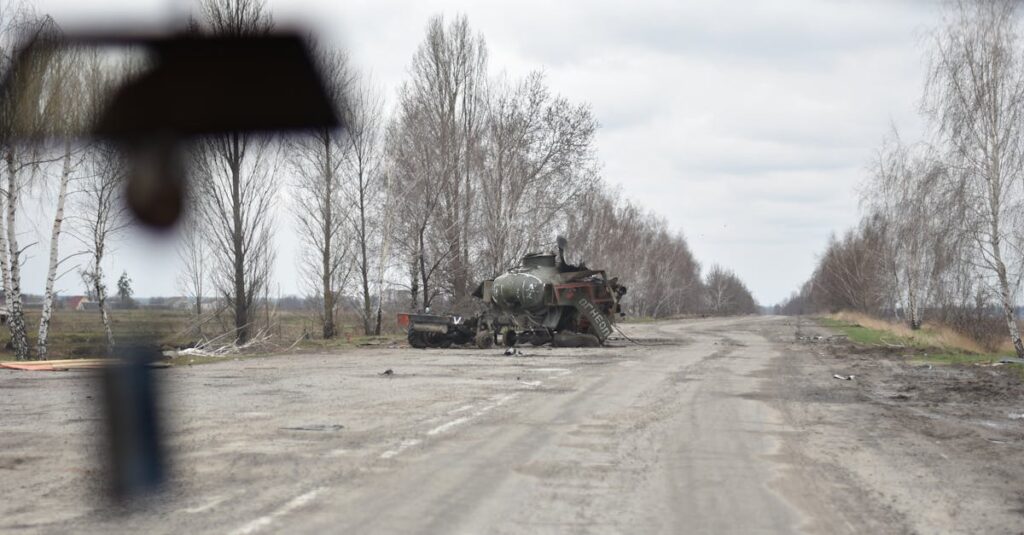

In the high-stakes world of modern warfare, battlefield vehicles are the unsung heroes, dodging enemy fire and navigating treacherous terrain. But what happens when these metal beasts take a hit? Vehicle damage isn’t just a minor inconvenience; it can be the difference between victory and defeat. Picture a tank limping away with a flat tire—talk about a bad day at the office!
Understanding the intricacies of battlefield vehicle damage is crucial for military strategists and enthusiasts alike. From armor penetration to engine failures, every dent and scratch tells a story of bravery, miscalculation, or just plain bad luck. So buckle up as we dive into the fascinating world of battlefield vehicle damage, where every scratch could be a badge of honor or a sign that it’s time for a new ride.
Overview of Battlefield Vehicle Damage
Battlefield vehicles play a vital role in military operations, serving as crucial assets for troop mobility and support. Damage to these vehicles can greatly influence mission success and overall military effectiveness. Factors contributing to vehicle damage include armor penetration, explosive impacts, and mechanical failures.
Armor penetration occurs when enemy projectiles breach protective layers, compromising vehicle integrity. Tanks equipped with advanced armor systems may resist some attacks, yet vulnerabilities still exist. For instance, a well-placed shot may disable a tank, rendering it inoperable and affecting troop morale.
Engine failures complicate battlefield logistics. An operational vehicle’s inability to maneuver can hinder troop movements and limit strategic options. Mechanical breakdowns also lead to costly delays, forcing soldiers to adapt under pressure in unpredictable environments.
Environmental conditions further exacerbate vehicle damage. Mud, sand, and extreme temperatures can strain engine components, leading to increased wear and tear. Users often face significant challenges while maintaining vehicle functionality in harsh climates.
Each mark on a vehicle tells a story of resilience or misfortune. Soldiers sharing their experiences often recount instances where minor damages led to critical outcomes. The ongoing assessment of vehicle health becomes necessary to ensure effectiveness on the battlefield.
Attention to detail in recognizing the types of damage allows military leaders to make informed decisions. Damage assessment plays a significant role in logistics, affecting repair schedules and resource allocation. Engaging in thorough evaluations post-battle becomes essential, preserving a unit’s operational readiness for future engagements.
Types of Battlefield Vehicles
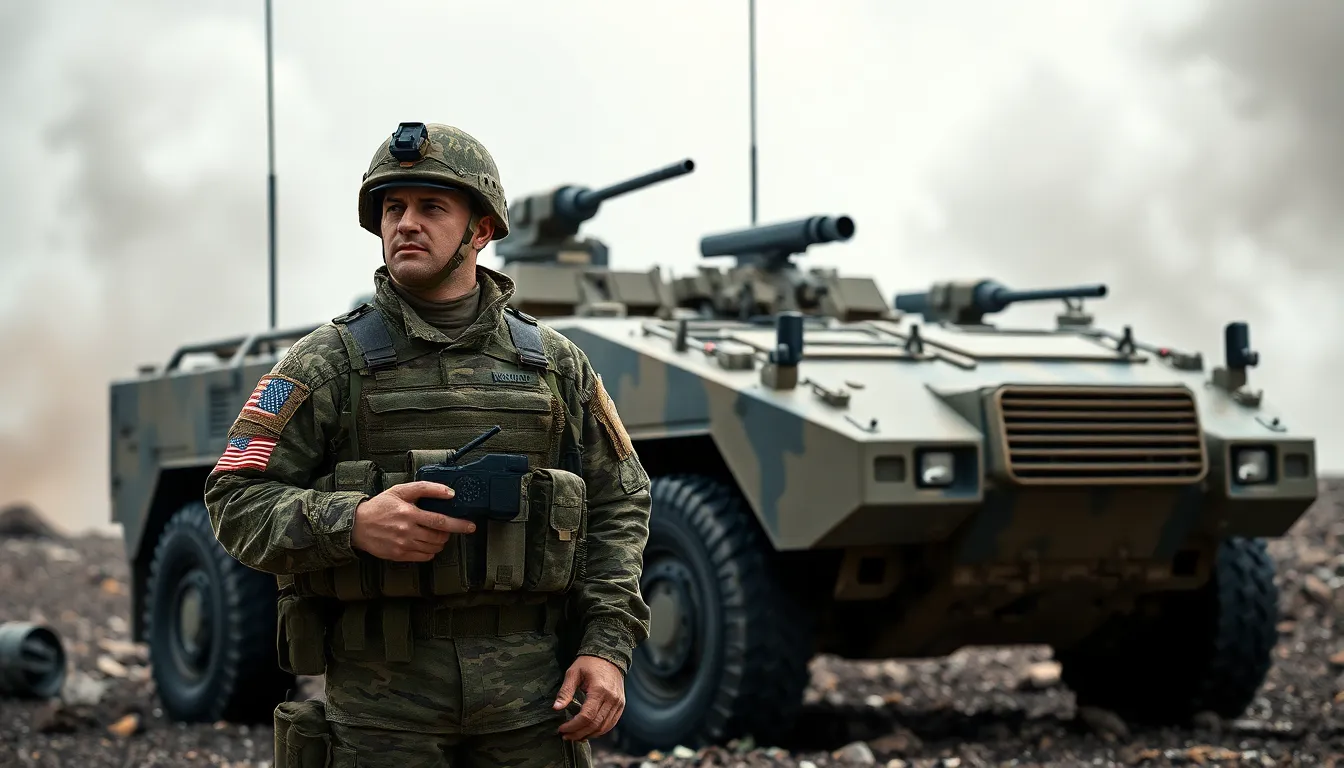
Battlefield vehicles play various critical roles in combat scenarios. Understanding these vehicle types enhances awareness of their functions and vulnerabilities in warfare.
Armored Vehicles
Armored vehicles serve as the backbone of ground forces. Tanks exemplify this category, designed with thick armor to withstand projectile impacts and explosive blasts. These vehicles protect personnel while providing heavy fire support. Other examples include infantry fighting vehicles, which offer troop transport with additional offensive capabilities. Despite their resilience, these vehicles face threats from powerful anti-tank weapons, necessitating constant upgrades to armor technology.
Tactical Vehicles
Tactical vehicles focus on maneuverability and speed. Equipped for rapid deployment, these vehicles often transport troops and supplies through diverse terrains. Humvees and MRAPs (Mine-Resistant Ambush Protected vehicles) are common choices for their agility and protection. They navigate environments where heavier vehicles struggle, offering strategic advantages to military operations. Vulnerabilities to improvised explosive devices (IEDs) remain a constant concern, prompting ongoing enhancements in design and construction.
Support Vehicles
Support vehicles provide essential logistical and operational assistance. These include fuel trucks and repair vehicles, crucial for maintaining battlefield effectiveness. Without adequate logistics, combat readiness diminishes rapidly. Recovery vehicles help retrieve damaged units, ensuring that repairs occur swiftly and efficiently. Proper maintenance of support vehicles enhances overall mission success, demonstrating their indispensable role in military strategy.
Causes of Battlefield Vehicle Damage
Battlefield vehicles often sustain damage from various sources, impacting their performance and effectiveness. Understanding these causes helps military leaders address vehicle maintenance and operational strategies.
Direct Combat Engagements
Direct combat engagements frequently lead to vehicle damage. Enemy fire, including small arms and heavy artillery, penetrates armor and compromises vehicle integrity. Each direct hit can result in critical failures, disabling the vehicle and endangering crew lives. Explosives like grenades or anti-tank missiles can devastate the vehicle’s structure. Soldiers in situations involving heavy combat need to assess the level of damage urgently, ensuring swift repairs when possible. Damage assessments become crucial after intense firefights, helping determine the next course of action for ground forces.
Environmental Factors
Environmental factors contribute significantly to battlefield vehicle damage. Harsh conditions such as mud, sand, and extreme temperatures heighten wear and tear. Vehicles struggling in muddy terrain can become immobilized, increasing vulnerability to enemy attacks. Sand can infiltrate mechanical parts, leading to malfunctions or engine failures. Vehicles operating in extreme temperatures face risks from overheating or freezing components. These environmental stressors necessitate regular maintenance checks to ensure reliability. Military leaders must consider these conditions when planning operations to prioritize vehicle readiness.
Wear and Tear
Wear and tear from regular use affects battlefield vehicles extensively. Components experience deterioration due to prolonged exposure to rough terrain and demanding maneuvers. Frequent deployment and long missions exacerbate mechanical issues, leading to breakdowns. Tires wear down, impacting mobility, while engine problems may hinder troop movements. Regular maintenance schedules improve operational readiness, reducing downtime for repairs. Identifying early signs of wear allows crews to address issues before they escalate. Keeping vehicles in optimal condition plays a crucial role in maintaining their effectiveness during engagements.
Impact of Vehicle Damage on Military Operations
Damage to battlefield vehicles significantly influences military operations. Assessing the extent of damage impacts various aspects of mission effectiveness.
Operational Readiness
Operational readiness hinges on vehicle integrity. When vehicles sustain critical damage, troop mobility suffers, complicating mission execution. Repairs require time and resources, diverting attention from ongoing operations. Maintaining continuous vehicle health assessments allows military leaders to identify issues early. Prioritizing routine checks decreases the likelihood of unexpected failures. This proactive approach ensures units remain prepared for immediate deployment.
Morale of Troops
Troop morale directly correlates with operational capacity. Damaged vehicles can lower soldiers’ confidence, affecting performance during combat. Soldiers may feel abandoned or vulnerable when vehicles are in disrepair. Conversely, well-maintained vehicles instill a sense of security and trust in command. High morale facilitates better collaboration and focus on objectives. Leadership must address damage promptly to maintain a positive outlook among troops.
Strategic Planning
Strategic planning relies heavily on the status of battlefield vehicles. Commanders evaluate vehicle capabilities when devising operational strategies. Damage can restrict tactical options, leading to compromised mission plans. Understanding vehicle limitations allows for better allocation of resources and personnel. Analyzing past engagements provides insight into how damage affects outcomes. Effective planning includes mitigation strategies that prepare for vehicle-related challenges. Timely assessments and repairs enhance operational effectiveness, ensuring mission success.
Battlefield vehicle damage is more than just a technical issue; it directly influences military effectiveness and troop morale. Each vehicle’s condition tells a story that shapes operational outcomes. By prioritizing regular health assessments and understanding the nuances of vehicle vulnerabilities, military leaders can make informed decisions that enhance readiness.
The intricate relationship between vehicle integrity and mission success cannot be overlooked. Addressing damage promptly ensures that forces remain agile and capable in the face of adversity. As modern warfare continues to evolve, the importance of maintaining battlefield vehicles will only grow, making it essential for military operations to adapt and innovate in their approach to vehicle management.