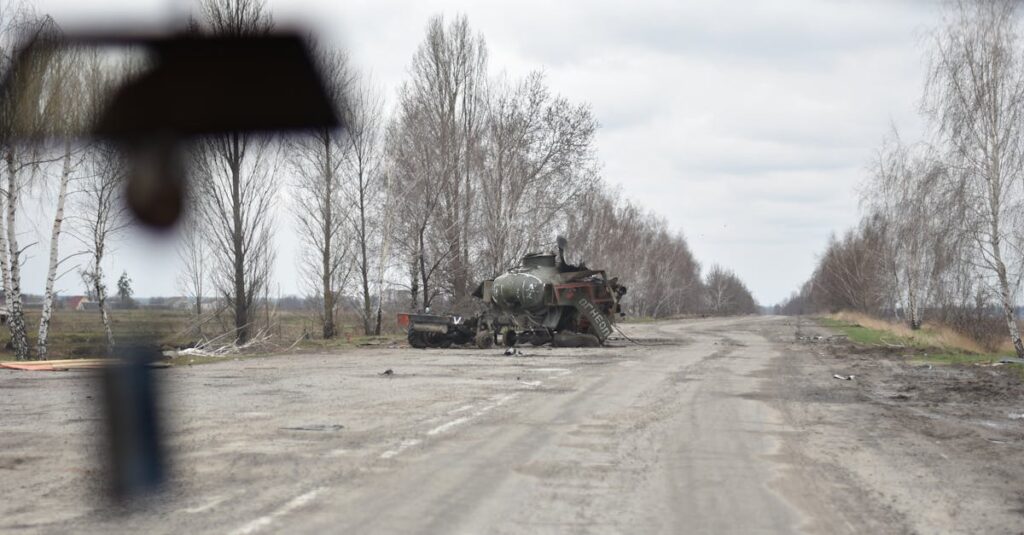

In the ever-evolving landscape of modern warfare, urban combat has become the ultimate game of hide-and-seek—only with more explosions and fewer places to hide. Picture this: towering buildings, narrow alleyways, and the constant chaos of city life transformed into a battleground. This isn’t just a scene from an action movie; it’s the gritty reality of battlefield urban combat, where every corner could hide a foe and every rooftop is a potential sniper’s perch.
Overview of Battlefield Urban Combat
Urban combat presents unique challenges in modern warfare. Combatants navigate complex environments filled with tall buildings and narrow alleyways. Threats often hide in shadows, creating risks from concealed enemies and snipers. Familiarity with the terrain enhances operational effectiveness. Soldiers need to prioritize situational awareness to identify potential danger points.
Tactics differ significantly in urban settings compared to traditional battlefields. Engaging in close-quarter battles requires specialized training and strategies. Each structure, from residential buildings to commercial spaces, provides opportunities for ambushes or cover. Effective communication between team members can improve response to unexpected encounters.
Military forces often adapt technology for urban combat scenarios. Drones assist with reconnaissance, offering real-time data on enemy positions. Advanced surveillance systems help identify threats before engagement occurs. Moreover, armored vehicles are modified for maneuverability in congested areas.
Historical examples demonstrate the intensity of urban combat. Conflicts like the Battle of Stalingrad and the Second Battle of Fallujah highlight the brutality experienced in such environments. Lessons learned from past engagements inform current training and tactical development.
Preparation for urban operations includes understanding civilian dynamics. Avoiding collateral damage remains a priority to maintain public support. Military units coordinate closely with local authorities to ensure comprehensive strategies are in place.
Ultimately, battlefield urban combat challenges military effectiveness while emphasizing adaptability. By prioritizing situational awareness, utilizing advanced technology, and learning from historical precedents, forces can navigate the complexities of urban warfare. Engaging successfully requires not just firepower but also precise coordination and strategic planning.
Historical Context
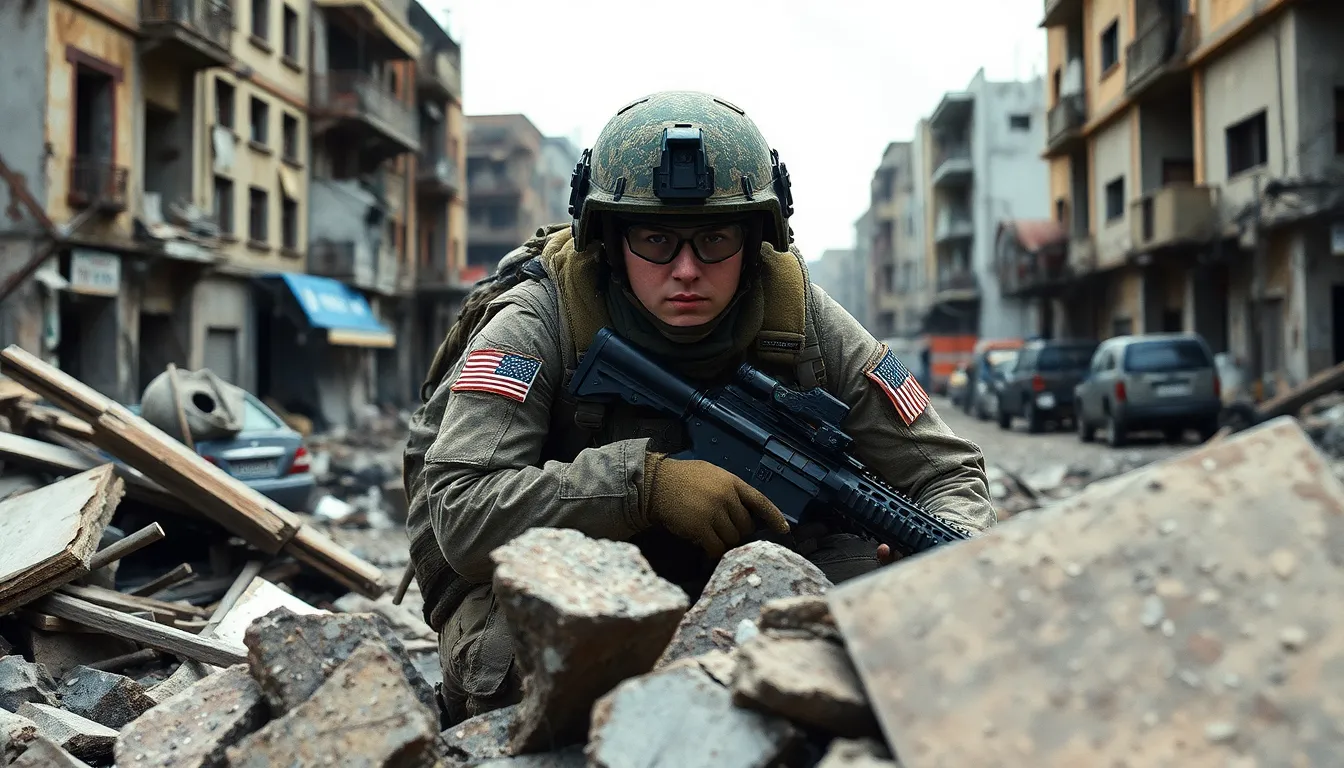
Urban combat has roots in various historical conflicts, shaping the tactics employed in contemporary warfare. Key battles demonstrate the intense challenges of fighting in urban environments.
Key Battles and Conflicts
The Battle of Stalingrad (1942-1943) stands as a pivotal example of urban combat’s brutality. This confrontation involved fierce house-to-house fighting, illustrating strategies for overcoming fortified positions. Additionally, the Second Battle of Fallujah (2004) showcased modern military approaches to dense urban areas, with coalition forces adapting their strategies to counter insurgent tactics. Other instances like the Siege of Sarajevo and the battles in Aleppo further exemplify urban combat’s complexities and requirements.
Evolution of Tactics
Tactics in urban combat have evolved significantly, influenced by lessons learned from historical conflicts. Initially, forces focused on direct engagements, but the necessity for maneuvering within enclosed spaces became evident. Teams now employ small unit tactics, emphasizing speed and adaptability. Coordination with intelligence units enhances situational awareness, allowing for more effective responses. Technology integration also plays a crucial role; utilizing drones for surveillance has transformed reconnaissance efforts. These advancements reflect a shift towards a more comprehensive approach in navigating urban warfare’s challenges.
Strategies in Urban Warfare
Urban warfare requires tailored strategies that address the unique challenges of city landscapes. Combatants employ specific offensive and defensive operations to secure tactical advantages.
Offensive Operations
Urban offensive operations focus on seizing control of key areas. Troops utilize various tactics, including combined arms assaults that incorporate infantry, armor, and aviation. They often employ small unit maneuvers to exploit enemy weaknesses and create shock.
For example, forces might utilize suppressive fire while conducting flanking maneuvers through narrow streets. Utilizing drones for reconnaissance enhances situational awareness and informs decision-making. Such technology allows for real-time assessments of enemy positions. This adaptability is crucial for successful engagements in urban settings.
Defensive Operations
Defensive operations in urban environments emphasize securing territory against advancing threats. Troops establish defensive perimeters, leveraging buildings for cover and concealment. Utilizing fortified positions, soldiers create layers of defense that disrupt enemy advances.
For instance, employing sniper teams can deter attackers from engaging in open areas. Effective communication among units facilitates rapid responses to breaches. Achieving interoperability with intelligence units improves awareness of enemy movements. Precise information shapes defensive strategies and fortifies urban defenses against increasingly complex threats.
Challenges Faced in Urban Combat
Urban combat creates significant challenges for military forces. Navigating complex terrains like narrow streets and multi-story buildings proves difficult, as these environments offer both cover and concealment for enemy combatants.
Terrain and Structure
Terrain in urban combat plays a critical role in tactical planning. High-rise buildings provide vantage points for snipers while also obstructing visibility for ground troops. Movement becomes restricted in narrow alleys, limiting escape routes and potential cover. Enemies can ambush forces from rooftops or alleyways, increasing the risk of surprise engagements. Maintaining awareness of structural integrity is vital, as destroyed buildings can create hazards like collapses.
Civilian Impact
The presence of civilians greatly complicates urban combat scenarios. Civilian populations often remain in proximity to conflict zones, making it challenging to minimize collateral damage. Engagement rules must adhere to international law, necessitating restraint in the face of threats. Military forces must balance tactical objectives with the need to protect non-combatants. Additionally, misinformation can spread among civilians, impacting the morale and safety of both civilians and troops. Effective communication with local communities can help mitigate conflict and build trust essential for military operations.
Technological Innovations
Urban combat increasingly relies on technological innovations that enhance operational effectiveness and soldier safety. Advanced tools support combatants in navigating intricate environments and confronting threats effectively.
Advanced Weaponry
Precision-guided munitions allow for targeted strikes, minimizing collateral damage in populated areas. Smart rifles equipped with targeting systems improve accuracy, enabling soldiers to engage enemies from greater distances. Drones also contribute to weapon systems by delivering payloads precisely when needed, ensuring operational efficiency. Modular weapon systems accommodate different mission requirements, adapting to dynamic urban challenges. Enhanced non-lethal options provide alternatives for crowd control, balancing mission objectives and civilian safety.
Surveillance and Reconnaissance
Surveillance systems play a key role in urban combat, offering real-time insights into enemy positions. Advanced drones equipped with high-resolution cameras operate effectively in complex environments, providing critical aerial views. Ground-based sensors detect movement and monitor changes in urban landscapes, contributing to situational awareness. Military forces employ artificial intelligence to analyze data quickly, identifying emerging threats before they escalate. Integrating satellite imagery enhances reconnaissance efforts, allowing for better strategic planning and execution.
Urban combat remains one of the most challenging arenas in modern warfare. The intricate dynamics of city environments demand that military forces continually adapt their tactics and strategies. As they navigate the complexities of urban landscapes, the importance of technology and effective communication cannot be overstated.
With the integration of advanced surveillance systems and precision weaponry, combatants can enhance their operational effectiveness while minimizing risks. The historical lessons learned from past battles provide invaluable insights that shape current practices. As warfare evolves, so too must the approaches to urban combat, ensuring that forces are prepared to meet the unique challenges that arise in these densely populated settings.